Home › Case Studies › Just Fishing Group

Just Fishing Group

A Modern Website Solution for Better Business Growth

We built a high-performing, user-friendly website that helps the client streamline operations, improve user experience and achieve their business goals.

View Live Project

Project Insights

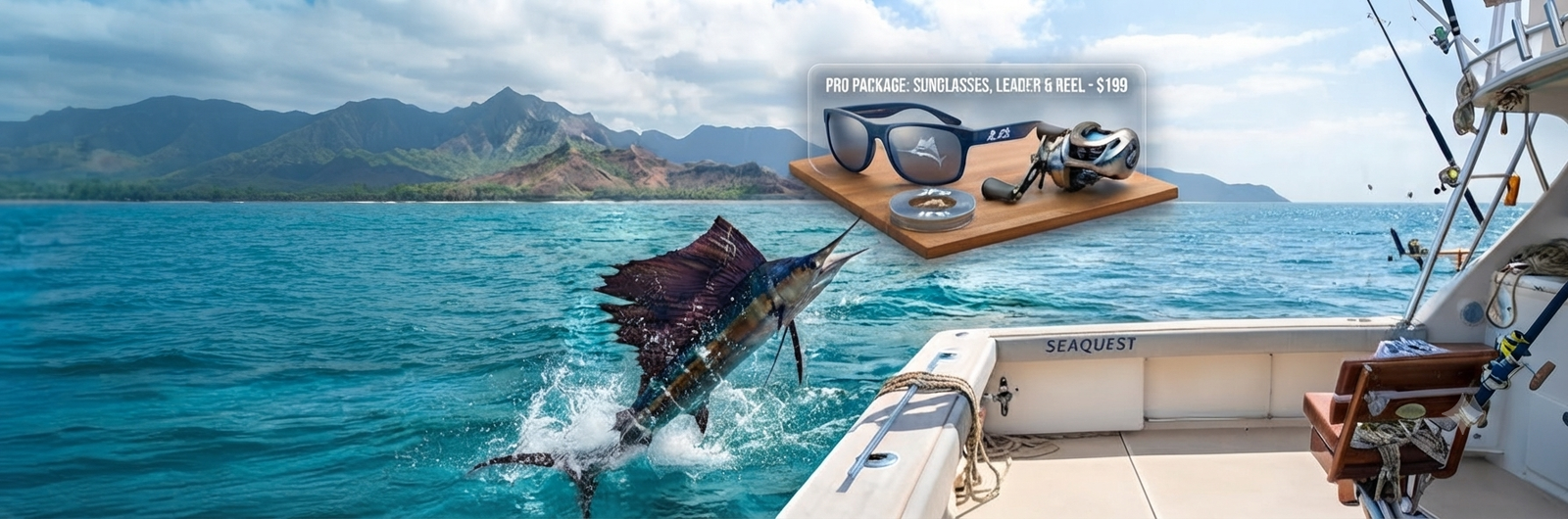
Just Fishing Group is a specialized fishing platform that brings together premium fishing equipment, fishing gear, and fishing destinations in one place. The platform allows anglers to explore fishing products such as rods, reels, lines, lures, jigs, apparel, terminal tackle, accessories, and other fishing gear. Just Fishing Group The website also provides a dedicated fishing trip discovery and booking experience, allowing users to select a destination, departure date, and number of anglers before searching for available trips.

CHALLENGES

Challenges We Faced

Every project comes with its own set of challenges. Here are some of the key challenges we encountered and how we solved them.

01

Laravel–MongoDB Integration

Connecting Laravel with MongoDB was challenging because Laravel is traditionally designed around relational databases like MySQL, so handling MongoDB models, queries, and relationships required additional configuration and adjustments.

02

Managing Complex Product Data

The website contains a large number of fishing products with different specifications, categories, images, and variations. Designing a flexible MongoDB structure that could handle these differences without creating inconsistent data was challenging.

03

API Integration Between Laravel and Next.js

Creating a smooth communication layer between the Laravel backend and Next.js frontend required careful API design, especially for product listing, product details, search, filtering, and other dynamic operations.

04

Product Search and Filtering

Implementing efficient search and multiple filters became challenging as the number of products increased. The queries needed to return accurate results without significantly affecting response time.

05

Image and Media Management

Managing multiple product images, image sizes, uploads, and displaying them efficiently on the frontend required additional optimization to avoid slow page loading.

06

Frontend Performance in Next.js

Since the website contains many product pages and images, maintaining good performance was challenging. We had to work on image optimization, lazy loading, caching, and appropriate rendering strategies.

07

Responsive Design

Making the website work consistently across desktops, tablets, and mobile devices required several UI adjustments. Product cards, filters, navigation, and images needed different layouts for smaller screens.

08

Pagination and Large Data Handling

Loading all products at once would negatively affect performance. Implementing pagination and fetching only the required data helped reduce API response time and frontend rendering issues.

09

API Validation and Error Handling

Handling invalid requests, missing product data, failed API calls, and server-side errors required proper validation and consistent error responses between Laravel and Next.js.

10

Admin/Product Management

Managing products from the backend involved creating, updating, deleting, and organizing product information. Ensuring that changes made from the admin side were correctly reflected on the frontend was an important challenge.

11

SEO for Dynamic Product Pages

Since product pages were dynamically generated in Next.js, making sure that product titles, descriptions, metadata, and URLs were properly optimized for search engines required additional work.

12

Deployment and Environment Configuration

Configuring Laravel, Next.js, MongoDB, environment variables, API URLs, CORS, and production builds was challenging because the development and production environments had different configurations.

HOW WE WORK

Our Approach

Our approach was to develop the Just Fishing Group platform with a strong focus on scalability, performance, usability, and maintainability. We started by understanding the business requirements, product categories, customer journey, and the overall structure of the existing business. Based on these requirements, we planned the application architecture and divided the system into frontend, backend, database, and API layers.

For the backend, we used Laravel to develop the core business logic and RESTful APIs. We designed the APIs in a way that the frontend could easily communicate with the backend for retrieving products, categories, product details, search results, filters, and other dynamic information. MongoDB was selected as the database because the product information contains different attributes and specifications, making a flexible document-based structure useful for managing the data.

For the frontend, we used Next.js to create a modern, responsive, and user-friendly interface. We focused on making product discovery simple and intuitive, allowing users to browse categories, search for products, apply filters, and view detailed product information. We also worked on responsive layouts so that the website provides a consistent experience across desktops, tablets, and mobile devices.

A major part of our approach was performance optimization. Since the platform contains a large number of products and product images, we avoided loading unnecessary data and implemented pagination, optimized API responses, image optimization, and appropriate Next.js rendering techniques. This helped improve page loading speed and provided a smoother browsing experience.

We also focused on creating a clean and maintainable code structure. Reusable components were created on the frontend, while backend functionality was organized into appropriate controllers, models, services, and API routes. Proper validation and error handling were implemented to handle incorrect requests, missing data, and API failures gracefully.

During development, we followed an iterative approach. Instead of developing the entire system at once, we divided the project into smaller modules such as product management, categories, search, filtering, product details, and frontend integration. Each module was developed, tested, and refined before moving to the next stage. This helped us identify technical issues early and made the overall development process more manageable.

Finally, we performed testing across different screen sizes and use cases, resolved integration and performance issues, and prepared the application for deployment. Our overall approach was to build a system that is not only visually appealing but also scalable, reliable, easy to maintain, and capable of handling future business and product growth.
Delivery in Two Phases

Phase one – React.js Development

In the first phase, we developed the initial frontend using React.js to establish the core user interface and application structure. We focused on creating reusable components, product listing pages, category sections, navigation, search and filtering functionality, and responsive layouts. This phase helped us validate the overall UI/UX, understand the product data structure, and identify the major functional requirements before moving toward a more optimized production architecture.

Phase two – Next.js Development

In the second phase, we migrated and enhanced the frontend using Next.js to improve the overall performance, scalability, and SEO capabilities of the platform. The existing React components and functionality were reorganized according to the Next.js architecture. We implemented optimized page rendering, dynamic product pages, image optimization, API integration, and better handling of metadata for SEO. This phase resulted in a more production-ready application with improved loading performance, maintainability, and a better experience across different devices.

HOW WE WORK

Solution Delivered

We delivered a complete, scalable, and user-friendly digital platform for Just Fishing Group, designed to simplify product discovery and improve the overall browsing experience. The solution was developed using Laravel for the backend, Next.js for the frontend, and MongoDB for flexible and efficient product data management.

We delivered a complete, scalable, and user-friendly digital platform for Just Fishing Group, designed to simplify product discovery and improve the overall browsing experience. The solution was developed using Laravel for the backend, Next.js for the frontend, and MongoDB for flexible and efficient product data management.

The final solution provides a maintainable architecture that can support future expansion, including the addition of new products, categories, features, and business requirements without requiring major changes to the existing system. Overall, the delivered platform combines a modern user experience with a robust backend and flexible database structure to support the company's growing digital requirements.

Technology Stack

Bigger stack than we'd normally like, but a marketplace with this many moving parts earns it.
01

Next js

Used in the second phase to enhance the React application with better performance, SEO-friendly pages, optimized image handling, dynamic routing, and improved rendering.
02

Laravel

Used to develop the backend architecture, business logic, REST APIs, data processing, validation, and product management functionality.
03

MongoDB

Used to store product, category, and other application data in a flexible document-based structure. MongoDB was suitable for handling products with different specifications and attributes.

Business Benefits of Choosing Our Solution for Web Development

Just Fishing Group chose us, and here are some key benefits delivered through our solution.

One Stop Solution

We provided a complete web development solution covering frontend, backend, database integration, API development, responsive design, testing, and deployment. This helped maintain a consistent development process and reduced dependency on multiple technologies or teams.

Modern & Scalable Architecture

We developed the platform using Laravel, Next.js, and MongoDB, providing a flexible and scalable architecture. The solution can easily accommodate new products, categories, features, and future business requirements without major changes to the existing system.

Performance & SEO Optimization

Using Next.js, we improved page performance through optimized rendering, image optimization, and efficient data fetching. We also implemented SEO-friendly dynamic pages and metadata to improve the visibility of products on search engines.

Secure & Reliable Backend

Laravel was used to build a structured backend with proper API handling, validation, error management, and business logic. This helped ensure reliable communication between the frontend and database while keeping the application maintainable.

Flexible Product Management

MongoDB provided a flexible data structure for managing products with different specifications and attributes. This made it easier to handle a growing product catalog and accommodate changes in product information without redesigning the entire database structure.


Long-Term Scalability

The solution was designed with future growth in mind, allowing new products, categories, features, and integrations to be added easily. The modular architecture makes the platform easier to maintain and scale as the business grows.


Uncompromised Page Speed

We don't just build websites; we build lightning-fast experiences. Our optimized code, advanced caching, and modern asset delivery ensure your users never wait. Check out the real-world performance scores for this project.

Uncompromised Page Speed

READY TO GET STARTED?

Have a Similar Project in Mind?

Let's build a solution that supports your business goals.

Show Similar Projects

Bilal Garments

Bilal Garments

A Shopify Dropshipping App Helping Sellers Expand Their Businesses.

Ecoriche

Ecoriche

EcoRiche is an online platform for natural and organic products.

Decorative Gardens

Decorative Gardens

Decorative Gardens is a platform for garden design, landscaping, and outdoor decoration solutions.

CHALLENGES

Challenges We Faced

Every project comes with its own set of challenges. Here are some of the key challenges we encountered and how we solved them.

01

Laravel–MongoDB Integration

Connecting Laravel with MongoDB was challenging because Laravel is traditionally designed around relational databases like MySQL, so handling MongoDB models, queries, and relationships required additional configuration and adjustments.

02

Managing Complex Product Data

The website contains a large number of fishing products with different specifications, categories, images, and variations. Designing a flexible MongoDB structure that could handle these differences without creating inconsistent data was challenging.

03

API Integration Between Laravel and Next.js

Creating a smooth communication layer between the Laravel backend and Next.js frontend required careful API design, especially for product listing, product details, search, filtering, and other dynamic operations.

04

Product Search and Filtering

Implementing efficient search and multiple filters became challenging as the number of products increased. The queries needed to return accurate results without significantly affecting response time.

05

Image and Media Management

Managing multiple product images, image sizes, uploads, and displaying them efficiently on the frontend required additional optimization to avoid slow page loading.

06

Frontend Performance in Next.js

Since the website contains many product pages and images, maintaining good performance was challenging. We had to work on image optimization, lazy loading, caching, and appropriate rendering strategies.

07

Responsive Design

Making the website work consistently across desktops, tablets, and mobile devices required several UI adjustments. Product cards, filters, navigation, and images needed different layouts for smaller screens.

08

Pagination and Large Data Handling

Loading all products at once would negatively affect performance. Implementing pagination and fetching only the required data helped reduce API response time and frontend rendering issues.

09

API Validation and Error Handling

Handling invalid requests, missing product data, failed API calls, and server-side errors required proper validation and consistent error responses between Laravel and Next.js.

10

Admin/Product Management

Managing products from the backend involved creating, updating, deleting, and organizing product information. Ensuring that changes made from the admin side were correctly reflected on the frontend was an important challenge.

11

SEO for Dynamic Product Pages

Since product pages were dynamically generated in Next.js, making sure that product titles, descriptions, metadata, and URLs were properly optimized for search engines required additional work.

12

Deployment and Environment Configuration

Configuring Laravel, Next.js, MongoDB, environment variables, API URLs, CORS, and production builds was challenging because the development and production environments had different configurations.